







Search Results for: Mask Coffee Brewing
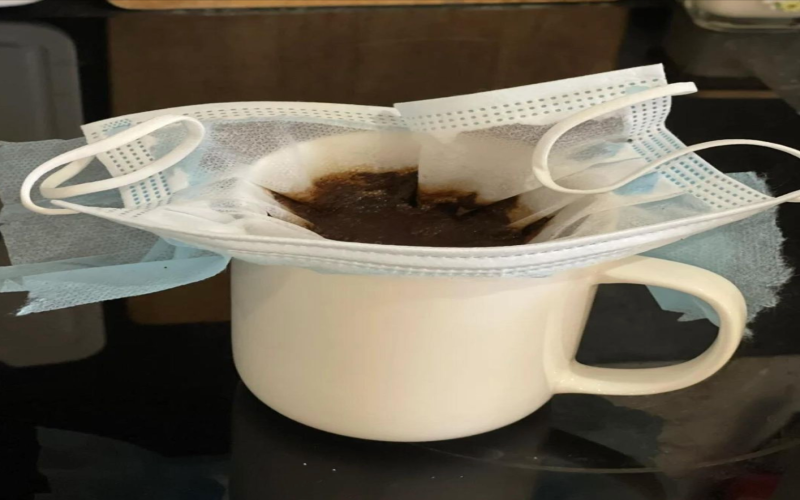
Expired Masks Used as Coffee Filters? Experts Explain Polypropylene Material Risks; Front Street Coffee Advises Against Trying It
Recently, a social media post in which a user brewed drip coffee using a face mask instead of filter paper sparked heated discussion. In the photo, the mask was hung over the rim of the cup to serve as a filtering tool, and the caption claimed it had a "unique taste." This move quickly drew a flood of criticism and concern. Some questioned whether the mask's water-resistant layer and adhesive layer might release toxic substances, while others joked that this was an attempt to compete with "Lianhua Qingwen coffee." In fact, this practice stemmed from a "clever trick" some netizens came up with to avoid wasting expired masks, but medical experts point out that the non-woven fabric in the inner layer of masks is made of polypropylene (PP), and although the amount of harmful substances released when heated is trace, it is still not recommended for contact with food. Front Street Coffee reminds everyone that coffee filter paper costs about the same as a mask, and choosing standard filter paper is the safe and reliable way to brew coffee. [more…]
The Complete Guide to Coffee Grounds: From Facial Scrub to Hair Mask, a Detailed Look at Coffee Beauty, Skincare, and Practical Life Hacks
Coffee has long been part of the daily rhythm for many urbanites, but most people treat it merely as a pick-me-up. In fact, coffee's uses go far beyond drinking—the grounds left after brewing are equally promising for beauty and skincare and for household life. This article systematically introduces the specific ways to use coffee grounds for facial care, hand cleansing, and hair maintenance, including practical recipes such as exfoliating scrubs, firming masks, odor removal, scalp sprays, and hair masks, each with detailed materials and step-by-step instructions. If you happen to have coffee grounds on hand, why not follow along with this article and try these simple, natural tricks. [more…]

Can Blended Coffee Beans Be Used for Cold Brew? A Detailed Guide to Cold Brew Ratios and Practical Experience
In the heat of summer, a refreshing glass of cold brew is the go-to choice for many coffee lovers looking to beat the heat. But have you ever considered that coffee beans blended from two or more varieties can also produce an outstanding cold brew? Cold brew, due to its low-temperature, long-duration extraction, has a richer, smoother mouthfeel, yet its floral and fruity notes gradually fade with storage time. This article draws on the hands-on experience of Front Street Coffee, first outlining the characteristics of cold brew and the advantages of blended beans, then recreating several blending experiments one by one: from Sidra with Geisha, Pacamara with Red Cherry, to Huakui paired with Strawberry Candy and Wangshan Geisha, and finally challenging the dark-roasted Queen's Estate blended with Flower God. Some of these recipes are full-bodied and layered, while others flop into a "mask of pain," yet they perfectly showcase the fun and possibilities of blended cold brew. [more…]
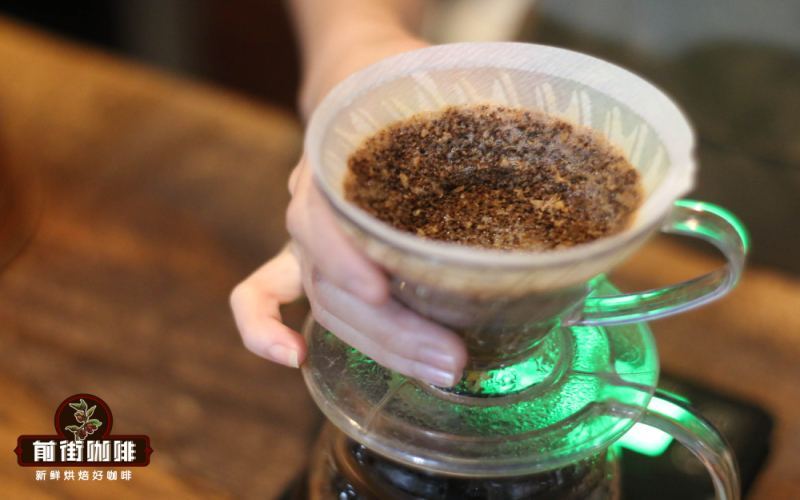
How Do Over-Extraction and Under-Extraction Change Coffee Flavor? A Detailed Explanation of the Effects of Pour-Over Grind Size and Coffee-to-Water Ratio
The key to a delicious cup of coffee lies in precisely controlling the extraction rate. About 30% of the soluble flavor compounds in coffee beans are extractable, but only 18% to 22% of them are truly pleasant. Over-extraction lets bitterness mask the acidity and sweetness, while under-extraction leaves the cup thin and noticeably watery. The core variables affecting extraction include grind size, water temperature, and pouring technique. This article systematically analyzes the causes and signs of over-extraction and under-extraction, and, drawing on Front Street Coffee's roasting and brewing experience, offers grind-size and water-temperature recommendations for coffee beans of different roast levels, helping coffee lovers consistently reproduce their ideal flavor. [more…]
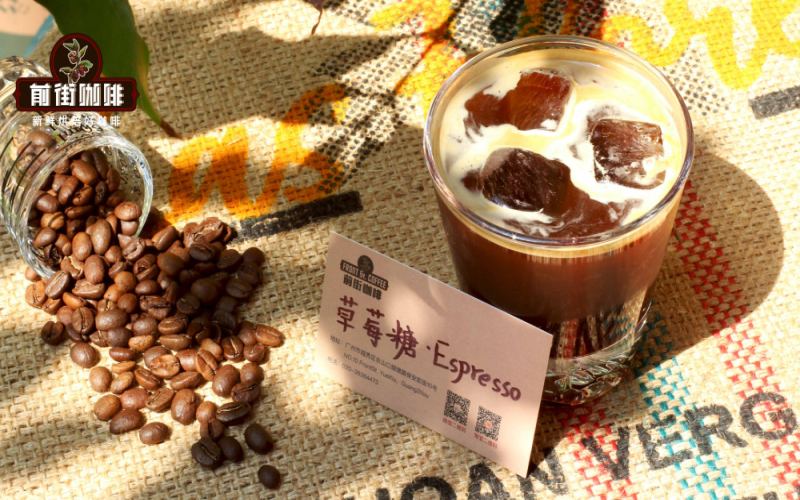
Where Does the Bitterness of Iced Americano Come From? An Analysis of the Taste Differences Between Hot and Iced Americano and Key Brewing Techniques
American coffee may seem to require only two elements, espresso and water, and iced American coffee is simply the addition of ice cubes. Yet the simpler the recipe, the more it tests a barista's extraction skills. Without milk to mask it, American coffee most directly reflects the quality of the coffee beans themselves and the level of extraction. That is why many baristas, when visiting their peers, will order an American coffee—it is quick and allows them to judge the quality of the output. This article will analyze the preparation methods of American coffee, the differences in taste between hot and cold versions, and the two major sources of bitterness, while combining Front Street Coffee's extraction parameters and espresso blend beans to help coffee lovers gain a more comprehensive understanding of this basic espresso drink. [more…]
Sweetness in the Roast Calendar: When to Open Three Americano Beans
A highly sweet Americano often does not show its full expression on the very day of roasting. When coffee beans have just left the roaster, they are still degassing heavily; excessive carbon dioxide makes the espresso fluctuate more and causes the aromas to mask one another. Scheduling the bag-opening date for the stage when the flavor gradually unfolds allows the fructose-like roundness, clean finish, and aromatic distinctiveness to be more easily [more…]
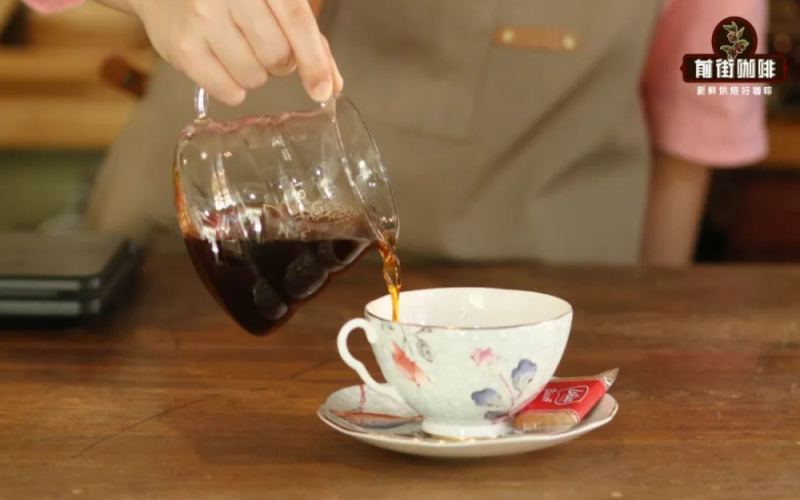
Why Does Pour-Over Coffee Taste Sour After It Cools? A Comprehensive Analysis from Aroma Loss to Taste Perception
Many coffee enthusiasts encounter a phenomenon when tasting pour-over coffee: as the temperature drops, the flavor of the coffee seems to change, sometimes even developing an unpleasant sourness. This is not a problem with brewing technique, but rather a series of physical and chemical changes that coffee undergoes as it goes from hot to cold. Front Street Coffee will take you on an in-depth look at the processes of aroma loss, oil oxidation, pigment polymerization, and condensation after coffee cools, while also explaining from the perspective of sensory science why the perception of sourness, sweetness, and bitterness on the taste buds changes with temperature. Through this article, you will understand the real reasons why coffee becomes sour or bitter after it cools, allowing you to view the relationship between coffee temperature and flavor more rationally and improve your tasting experience. [more…]
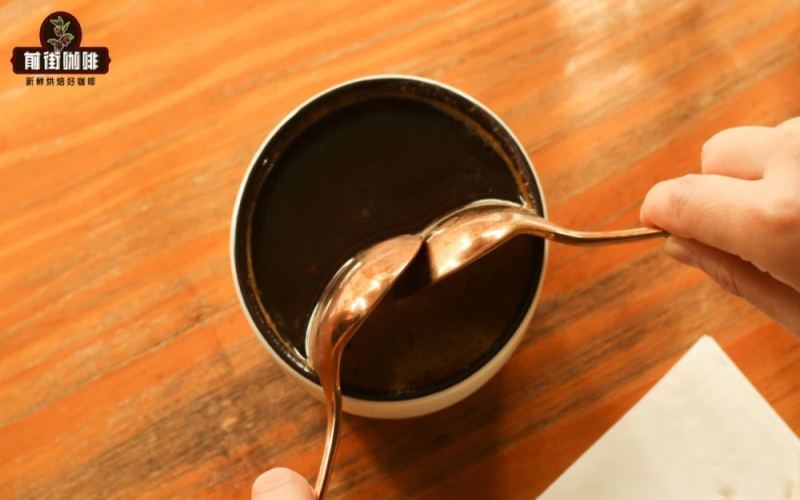
How Else Can You Use Coffee Beans Past Their Peak? Brewing Adjustment Tips and Practical Ways to Reuse Stale Beans
The optimal flavor period for coffee usually refers to 4 to 6 weeks after roasting. Beyond this period, floral notes, fruity acidity, and chocolatey sweetness noticeably diminish or even disappear. Although there is no way to restore coffee beans to a fresh state, adjusting the grind size, the blooming pour, and the circular pouring technique can still improve the taste in the cup. In addition, coffee beans past their expiration date but still within their shelf life need not be discarded in a hurry. Front Street Coffee has tried several down-to-earth reuse methods, such as removing odors, making natural dyes, and spreading them at the bottom of ashtrays, which are both practical and help reduce waste. This article will systematically introduce the key points for brewing stale coffee beans and the many uses for expired beans. [more…]
How Is Drip Bag Coffee Different from Pour-Over Coffee? A Full Guide to Front Street Coffee's Drip Bag Range and Brewing Key Points
What exactly is the difference between drip bag coffee and pour-over coffee? Drip bag coffee packs were originally created so that people could enjoy a single-origin coffee anytime, anywhere without complex equipment. Although it is essentially still a drip extraction method, it has unique characteristics in terms of production process, grind size, and brewing method. This article will explain in detail the extraction principles of drip bag coffee, Front Street Coffee's production process and variety selection, and focus on practical points such as brewing water temperature, pouring method, and shelf life. If you are used to replacing instant coffee with drip bags, or want to know which type of drip bag coffee tastes better, this content is worth reading. [more…]

Drip Coffee Extraction | Which brand of drip bag coffee tastes good? What are the suitable extraction time and water temperature for drip bag coffee? How do you make your own drip bag coffee packets?
For more specialty coffee knowledge, please follow our WeChat official account: Front Street Coffee (FrontStreet Coffee). Since the appearance of drip bag coffee packets, quite a few friends have gotten into the habit of comparing pour-over coffee with drip bag coffee, belittling the existence of drip bag coffee packets. In fact, the emergence of drip bag coffee was precisely in order to [more…]
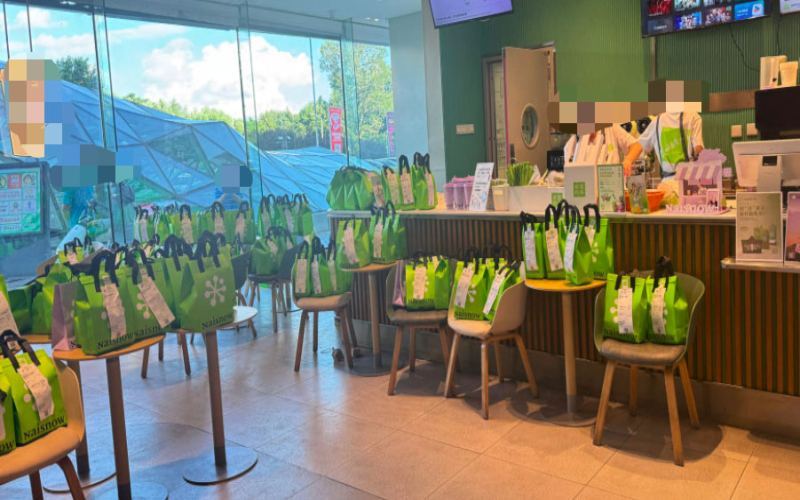
A JD rider entered a Bawang Chaji bar counter to help with packing, sparking heated discussion among netizens over food safety regulations.
Yesterday, the topic of "the first cup of milk tea in autumn" sparked widespread attention on social platforms, with orders at chain tea beverage brand stores surging, and some stores surpassing a thousand cups in sales within a short period. Under the pressure of the order surge, a scene appeared at a Certain Tea store where a JD delivery rider entered the bar area to assist with packing. After the video circulated, it triggered polarized discussions among netizens. Some praised the rider's goodwill in proactively helping, while others questioned whether non-store employees entering the operation area complies with food safety regulations. Surrounding bar operation permissions, health certificate requirements, and store management systems, various viewpoints clashed, and the incident quickly became a hot topic of discussion. [more…]
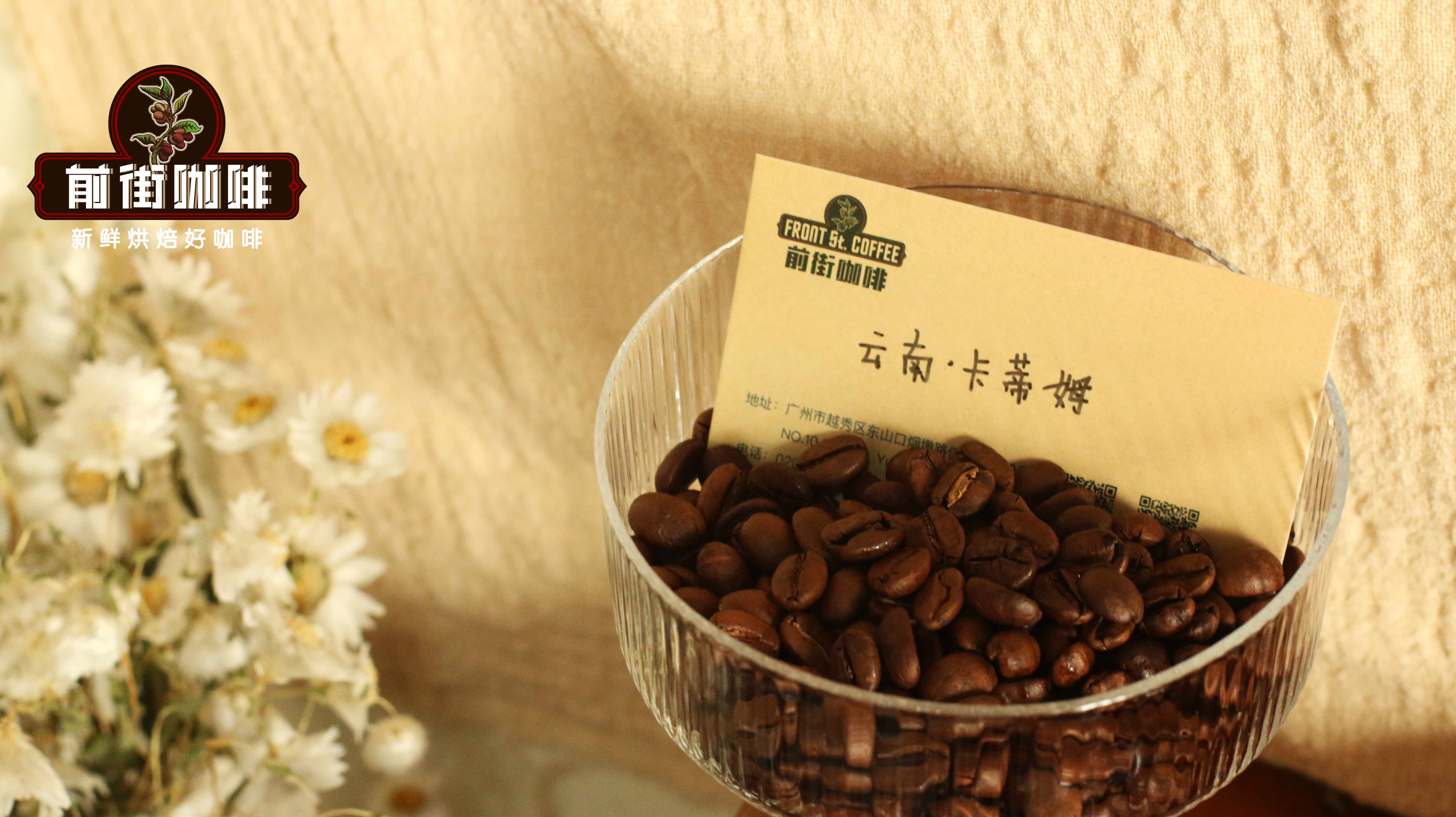
How Does Typica Differ from Catimor? A Comparative Analysis of the Varietal Flavors and Brewing of Yunnan Baoshan Coffee Beans
In the Yunnan coffee market, the Catimor variety accounts for the vast majority. To mask some of Catimor's inherent flaws, many producers turn to special processing methods to reshape the flavor, but Front Street Coffee has always held that relying on processing methods to alter coffee's performance is not a sustainable strategy—consumers mostly approach special processing methods with a curiosity for novelty, while traditional processing methods are what they are truly willing to accept long-term. If traditional processing methods are applied to Catimor, it can also present a pleasantly enjoyable cup after brewing. So how can the public be left with a good impression when drinking traditionally processed Yunnan coffee? The answer is to start from the source—the variety. At its Baoshan estate in Yunnan, Front Street primarily cultivates Typica, precisely in the hope of leading by example and driving a transformation in the image of Yunnan coffee. This article will compare the actual differences between the two varieties, Typica and Catimor, from multiple angles including cultivation yield, estate environment, and brewing flavor. [more…]
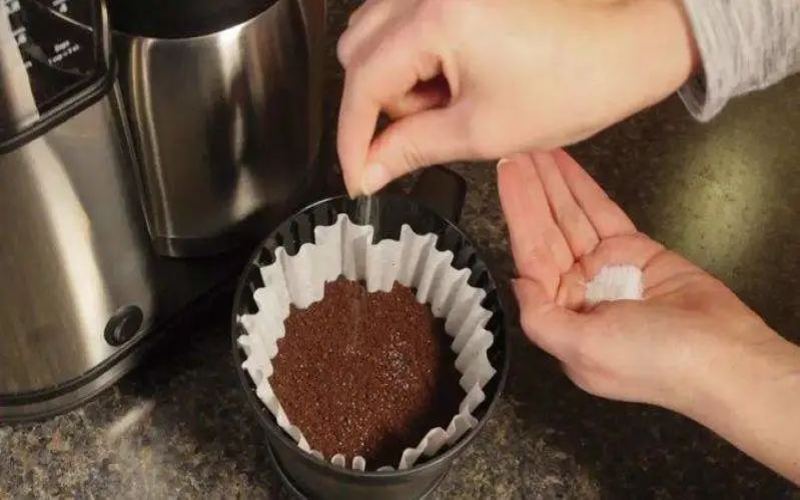
Does adding salt to coffee really make it taste better? A complete interpretation from traditional custom to scientific principle
Adding salt to coffee may sound surprising, but it is not a sudden whim of modern people. From northern Scandinavia to Turkey, from the European coast to Siberia, the tradition of salted coffee has a long history. Salt not only suppresses the bitterness of coffee but also makes sweetness more prominent, and behind this there is both historical origin and the support of food science. This article will start with the origins of salted coffee, sort out the formation mechanism of coffee bitterness, explain why salt can neutralize bitterness, and give specific salt-adding suggestions and dosage references. If you have also wondered whether this cup of salted coffee is actually reliable, you might as well read on. [more…]
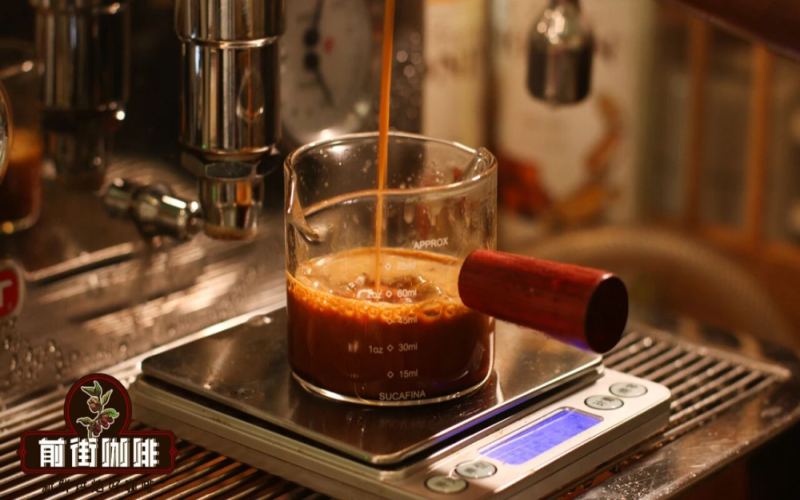
The Complete Guide to Buying Espresso Blend Coffee Beans: How to Choose Beans That Are Rich and Mellow Without Being Burnt or Bitter
Many coffee enthusiasts have struggled with how to choose a suitable espresso bean. Most espresso on the market is made from blend beans, and this is no coincidence—single-origin beans pulled as espresso are often not rich enough and may carry a sharp acidity that is hard to mask even with milk or sugar. In addition, as coffee is an agricultural product, each year's harvest fluctuates, and beans from a single origin can easily make the output taste inconsistent from good to bad, whereas blends can compensate for each other's weaknesses and keep espresso extraction stable. So, from which dimensions should you start in order to pick your ideal espresso bean? This article will walk you through the selection process step by step, from finding a reliable roaster and clarifying your personal taste preferences to specific product recommendations, and will include detailed introductions to several of Front Street Coffee's espresso blend beans. [more…]
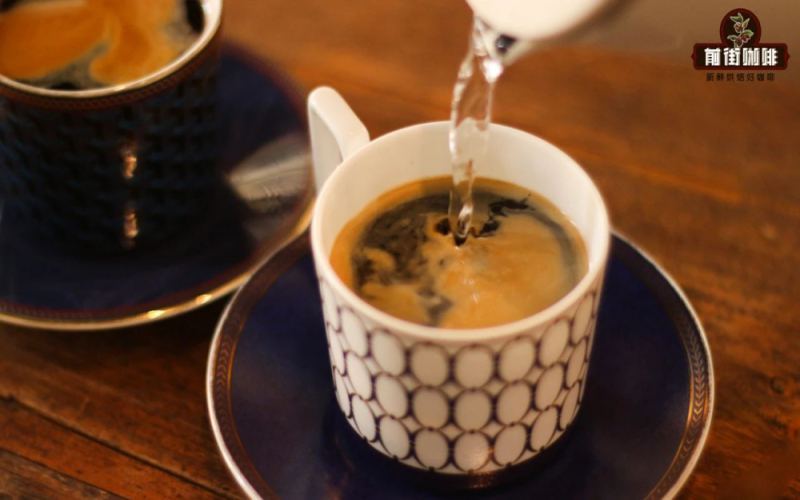
The Benefits of Black Coffee and How to Make It: A Flavor Guide from Americano to Latte
Original coffee is black coffee without sugar or milk, covering a variety of categories such as pour-over, cold brew, and Americano. Among these, Americano is made by diluting espresso with water and places high demands on bean quality and extraction technique. This article explains in detail the differences between Americano and latte, Front Street Coffee's brewing parameters, and how to choose suitable beans based on roast level to balance bitterness and acidity. It also explains the benefits of drinking black coffee in moderation, such as aiding digestion and cutting greasiness, reducing bloating, and boosting metabolism, while reminding readers that adding syrup or non-dairy creamer brings extra calories, and recommending no more than three cups per day. [more…]
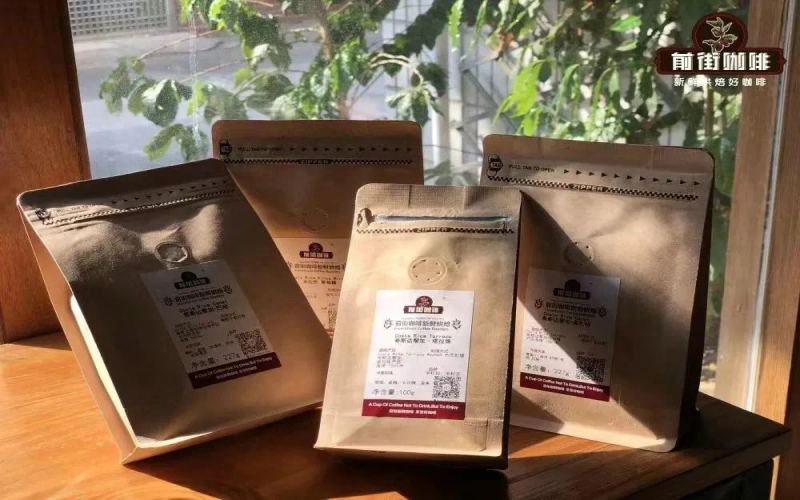
The Flavor Standards and Correct Brewing Methods for Mandheling Coffee: A Complete Analysis from Roasting and Grades to Pour-Over Parameters
What kind of mouthfeel should Mandheling coffee present? Rich nutty, dark chocolate, and caramel-cream-like full body are the classic flavors it should have. This article begins with the reason why Front Street Mandheling is medium-dark roasted, analyzes how the Sumatra wet-hulled process shapes its unique herbal and woody aroma, and why the resulting high defect rate requires deep roasting to mask. It also explains in detail the PWN brand certification and G1 grade classification standards of Golden Mandheling, and addresses a common question among pour-over enthusiasts—why does it come out only bitter and burnt—by giving professional parameter suggestions from Front Street Coffee baristas, including KONO dripper selection, grind size adjustment, 87–88°C water temperature control, and a three-pour technique, to help you brew a cup of full-bodied Mandheling with both caramel sweetness and chocolate-nutty flavors. [more…]
Why Is Mocha Coffee Fading from Menus? A Complete Trace from Yemen's Mocha Port to Italian Chocolate
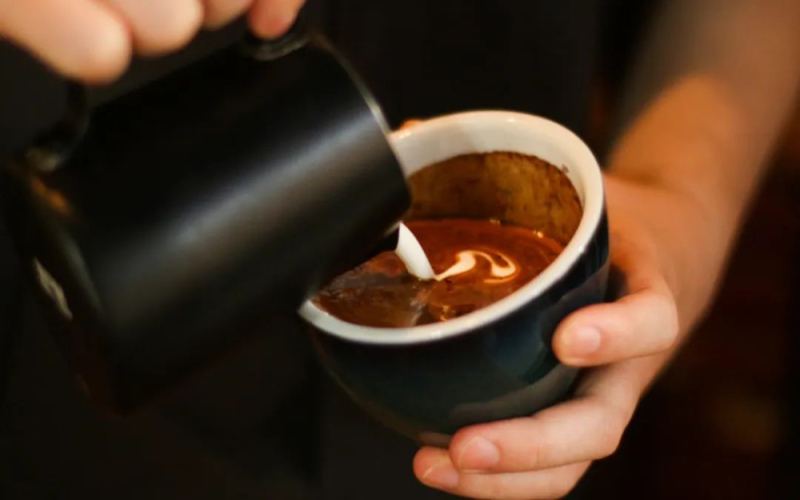
Mocha was once a classic on Italian menus alongside latte and cappuccino, but it is now increasingly disappearing from specialty coffee shops. Its name originates from the Port of Mocha in Yemen—from the 15th century onward, coffee beans were shipped through this port, and the sacks were marked "MOCHA," so Europeans collectively called the beans exported from there mocha coffee, and in the early period it even became synonymous with coffee. In the 18th century, Italy, in an attempt to recreate the chocolate notes of mocha beans, tried adding cocoa powder to coffee, which later evolved into a chocolate-added milk coffee with the spread of espresso machines. During the second wave, the combination of dark-roasted blend beans with chocolate sauce, cream, and other additions made mocha a representative sweet drink used to mask bitterness. The third wave of specialty coffee emphasized origin flavors, and together with the low-sugar healthy trend, the high-sugar, high-calorie mocha gradually fell out of favor in the market. The article sorts out its historical context and shares Front Street's method and recipe for making iced mocha. [more…]
A Complete Guide to the Three Main Coffee Processing Methods: A Comparison of Natural, Washed, Honey, and Anaerobic Enzyme Processes
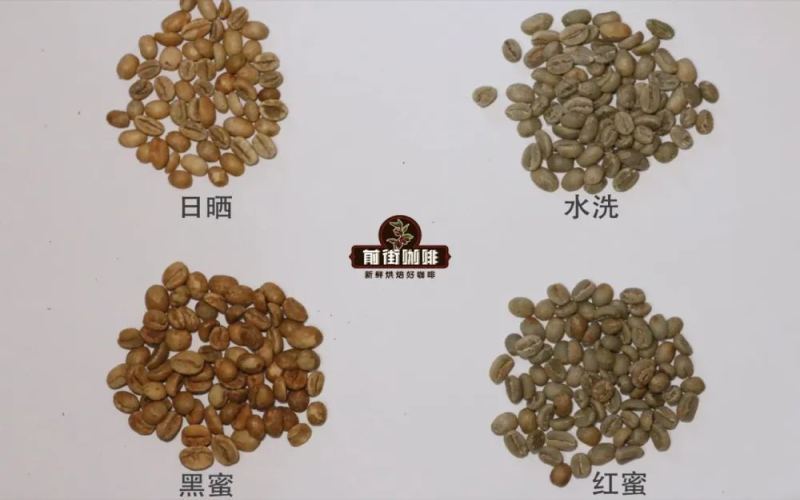
The flavor of coffee depends to a large extent on how the green beans are processed. Natural, washed, and honey processing, as the three classic methods, each present distinctly different flavor directions. In addition, enzyme processing and anaerobic fermentation have gradually entered the public eye in recent years, adding more possibilities to coffee. Front Street Coffee believes that using such fermentation techniques in moderation to create distinctive flavors is worthy of recognition, but if they are used to mask defects in the coffee beans themselves, that deviates from the original purpose of the processing method. This article will systematically sort out the specific procedures and flavor characteristics of these processing methods, and combine them with representative products on the Front Street coffee list to help coffee lovers build a clearer understanding. [more…]
Qimen Maofeng Black Tea Tasting: Dry Tea Aroma, Tea Liquor Flavor and Mouthfeel Characteristics, and Authentic Price Reference
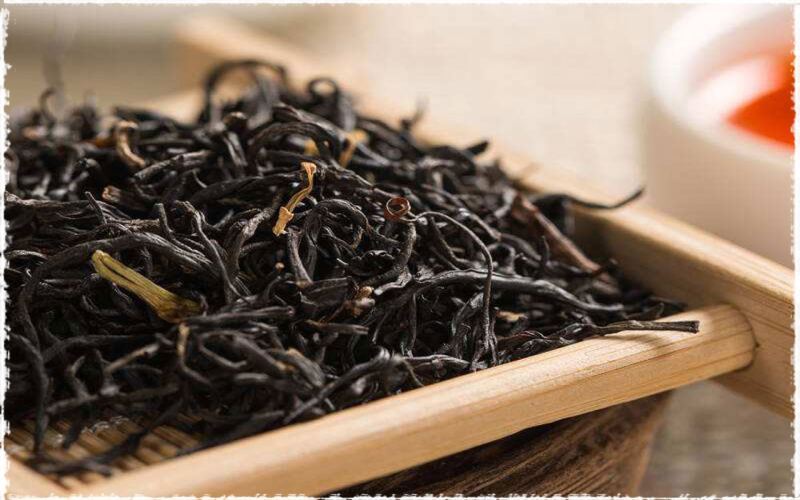
Qimen Maofeng is a classic Chinese black tea with a uniquely distinctive style. Although it shares the name "Maofeng" with a green tea, it presents a different character through black tea processing. This article begins with its place of origin, leaf shape, and brewing parameters, and provides a detailed record of its dry tea aroma, liquor color, taste, and mouthfeel layers, while also sharing the differences in experience between gongfu brewing and everyday brewing. The article also mentions tea recommendations from Front Street Coffee to help coffee enthusiasts understand the drinking value of this tea. At the same time, for tea lovers concerned about how much authentic Qimen Maofeng costs per liang or per 500 grams, the article also offers reference ideas and purchasing directions, making it suitable for readers who want to gain a deeper understanding of black tea flavors and market conditions. [more…]
2020 TOH Champion Armeria Lalo: A Complete Analysis of the Flavor and Mouthfeel of Yirgacheffe Anaerobic Natural Coffee Beans
Ardi Leraro, the champion of the 2020 TOH (Taste of Harvest) competition in Ethiopia, comes from the Yirgacheffe region and is processed using the anaerobic natural method, known for its distinct strawberry, peach, and fermented wine aromas. This article will provide a complete analysis of this champion bean's unique flavor profile, from green bean information, processing techniques, and roasting recommendations to cupping notes, and will share Front Street Coffee's brewing parameters and tasting experience. Whether you are a pour-over enthusiast or an espresso player, you will find practical references here and experience the complex layers and sweetness that anaerobic natural processing brings. [more…]